

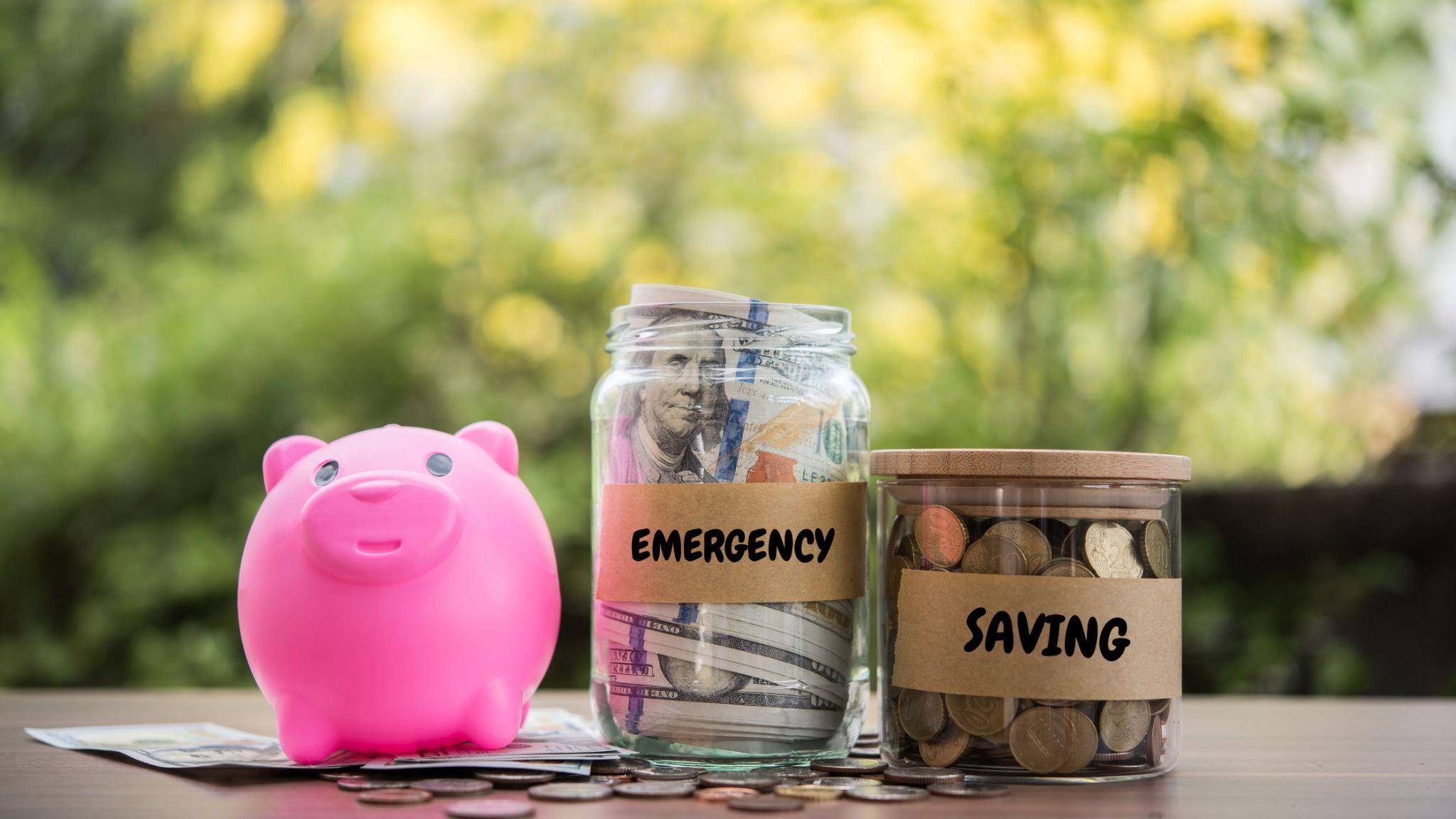
Emergencies often strike without warning, leaving you in urgent need of funds to address critical situations. Whether it’s a medical emergency, urgent home repairs, or an unexpected vehicle breakdown, a reliable financial solution can make all the difference. Personal loans offer quick access to funds and flexibility, making them a viable option during such times.
Benefits of Using Personal Loans for Emergencies
1. Quick Access to Funds
One of the key advantages of an emergency loan is the quick disbursal of funds. It is designed to address urgent financial needs, with many lenders approving and disbursing funds within 24 to 48 hours. This rapid processing ensures you can respond promptly to emergencies.
2. No Collateral Required
Personal loans are unsecured, meaning you don’t need to provide any collateral, such as your home or car, to secure the loan. This eliminates the risk of losing your assets and simplifies the application process by removing the need for asset assessment or additional documentation.
3. Flexible Usage
Personal loans offer versatility in how you can use the funds. Whether it’s for covering hospital bills, repairing your car, or handling sudden home maintenance, you have the freedom to allocate the loan amount where it’s needed most.
4. Fixed Interest Rates and Repayment Terms
Most personal loans come with fixed interest rates and repayment terms, ensuring consistent monthly payments throughout the loan tenure. This predictability allows borrowers to manage their finances more effectively, even during stressful times.
Drawbacks of Using Personal Loans for Emergencies
1.Higher Interest Rates
Personal loans typically come with higher interest rates compared to secured loans due to their unsecured nature. Borrowers with lower credit scores may face steeper rates, making the loan more expensive, especially for larger amounts.
2. Impact on Credit Score
Submitting a personal loan application can result in a hard inquiry on your credit report, which may temporarily lower your credit score. Additionally, missed or delayed payments can have a significant negative impact on your credit score, making it harder to secure future loans.
3. Potential for Debt Accumulation
Using personal loans repeatedly for emergencies or non-essential expenses can lead to debt accumulation. It’s essential to carefully consider each personal loan application to avoid getting trapped in a cycle of debt.
How to Choose the Right Personal Loan for Emergencies?
- Evaluate Your Financial Needs
Before applying for a personal loan, assess your financial situation. Determine the exact amount you need for the emergency and ensure you can manage the monthly repayments. Borrowing more than necessary will only increase your debt burden.
- Compare Lenders
Research and compare lenders to find the most competitive terms. Look at factors such as interest rates, repayment tenures, processing fees, and customer feedback. Online comparison tools can make this process quicker and more efficient.
- Check Eligibility Criteria
Each lender has specific eligibility requirements, including minimum credit scores, consistent income, and stable employment history. Make sure you meet the minimum credit score, income, and employment history criteria before applying for an emergency loan. This will save you time and help you avoid unnecessary rejections.
Review the Terms and Conditions
Before completing a personal loan application, carefully read the fine print of the loan agreement. Understand the interest rate, repayment schedule, fees, and any penalties for early or late payments. This knowledge helps you avoid surprises and manage the loan responsibly.
- Consider Alternatives
Before committing to a personal loan, explore other financing options. Depending on your financial situation, borrowing from friends or family, using a credit card, or tapping into your savings might be more cost-effective.
Tips for Responsible Use of Personal Loans
To make the most of your emergency loan without compromising your financial health, follow these tips:
- Create a Budget: Calculate your monthly repayment obligations and ensure they fit into your budget.
- Repay on Time: Timely repayments help avoid extra charges and maintain your credit score.
- Borrow Only What You Need: Stick to borrowing the amount necessary to address the emergency to minimise unnecessary debt.
- Monitor Your Loan: Keep track of your repayments and remaining balance to stay organised.
Final Thoughts
Personal loans are a fast and flexible financial tool, especially during emergencies. However, they come with their own set of challenges, including higher interest rates and the potential for debt accumulation. By carefully assessing your needs, comparing lenders, and fully understanding the loan terms, you can make the most of this financial resource while protecting your financial health.
Always be mindful of how much you borrow and have a clear repayment plan in place. With proper planning and responsible borrowing, personal loans can help you navigate emergencies without compromising your long-term financial stability.
 Follow our WhatsApp channel
